Damp Proof Course (DPC)
The Importance of Damp Proof Course (DPC) in Architectural Projects
The Importance of Damp Proof Course (DPC) in Architectural Projects
Moisture infiltration is a silent adversary in architecture, often causing structural damage and unhealthy living conditions.
What is Damp Proof Course (DPC)?
A DPC is a layer of waterproof material integrated into walls and floors to prevent rising dampness from the ground.
Why is DPC Crucial?
Prevents Structural Damage: Protects against weakening of walls due to moisture.
Ensures Durability: Prevents rust in reinforced concrete and metal structures.
Enhances Indoor Air Quality: Keeps mold and mildew at bay, ensuring healthy living conditions.
Common Materials Used for DPC in India
There are several types of materials that can be used for DPC, each with its own set of advantages and disadvantages. Below are the most commonly used materials, along with relevant IS codes.
Bituminous Felts
Bituminous felts are widely used in DPC for residential and commercial buildings. They are cost-effective and offer good resistance to moisture. These felts are usually applied in two layers, bonded with bitumen. They are easy to install and provide a good level of waterproofing.
IS Code: IS 1346:1991 specifies the requirements for bitumen felts for waterproofing.
Cement Concrete
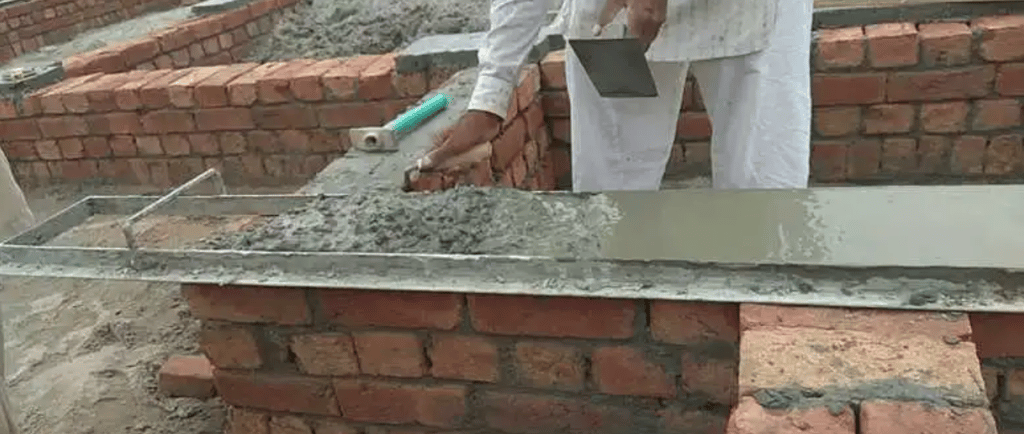
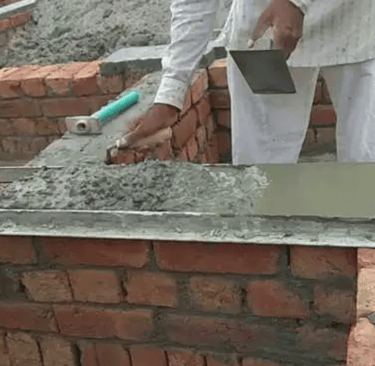
Cement concrete is a common material used for DPC in walls. A typical mix ratio of 1:2:4 (cement: sand: aggregate) is used for a 2.5 cm thick layer of DPC. The concrete should be well compacted and levelled to ensure an effective barrier against moisture.
IS Code: IS 456:2000 provides guidelines for the use of plain and reinforced concrete in DPC.
Mastic Asphalt
Mastic asphalt is a durable and waterproof material used in locations prone to high moisture levels. It is applied in a hot, molten form and then spread to create a seamless barrier. Mastic asphalt is particularly suitable for flat roofs and floors where water accumulation is likely.
IS Code: IS 1196:1978 covers the specification for mastic asphalt for use in waterproofing.
Polythene Sheets
Polythene sheets are a cost-effective option for DPC. These sheets are impermeable to water and are often used in conjunction with other materials such as concrete or mortar. They are available in various thicknesses, with a minimum thickness of 0.25 mm recommended for DPC.
IS Code: IS 2508:1984 specifies the requirements for low-density polyethylene sheets for general use.
Metal Sheets
Metal sheets, such as copper or lead, can be used as DPC materials in areas requiring high strength and durability. These materials provide excellent resistance to moisture and are generally used in conjunction with other DPC materials for enhanced protection.
IS Code: IS 4026:1980 provides specifications for lead sheets used in building construction.
Chemical DPC
In some cases, chemical solutions are injected into the walls to create a DPC. This method is used where traditional DPC materials cannot be applied, such as in old buildings with rising damp. The chemicals used penetrate the masonry and create a water-repellent barrier.
IS Code: Chemical DPC treatments should adhere to guidelines provided in IS 6313 (Part 2):2001, which deals with the application of DPC in buildings
Best Practices for DPC Installation
To ensure the effectiveness of the DPC, follow these best practices:
Proper application: Whether using bitumen felts, cement concrete, or other materials, make sure they are applied evenly and without gaps.
Overlap of joints: In the case of materials like felts or polythene sheets, the joints should overlap by at least 10 cm to avoid gaps that can allow moisture to seep through.
Vertical DPC: In some cases, vertical DPC is necessary, especially when the walls are directly exposed to moisture.
Maintenance: Regularly inspect the DPC for cracks, damages, or wear and tear. Repair any issues immediately to maintain the integrity of the moisture barrier.
Placement in Construction
Install at plinth level in walls.
Use under floor slabs to prevent groundwater seepage.


__________________________________
Your Vision, Our Expertise - Let’s Create Together!


EMAIL US
connect@studiomaitri.in